Current Projects
Rooted in Well-Being: The Health Value of Local Food Engagement
Summary: While “buying local” is broadly supported, there remains limited evidence about how it may impact health, especially in ways beyond improving access to nutritious foods. This project develops a set of validated metrics to capture the health benefits of local food purchasing, especially potential well-being benefits (e.g., life satisfaction, positive emotions, joy associated with local food purchasing, sense of purpose, the ability to live in accordance with personal values). Our transdisciplinary research team will accomplish this using literature reviews, secondary data analysis, experimental methods, and survey research.
PI: Emily Belarmino
Co-PIs: Anaka Aiyar, Rachelle Gould
Key Personnel: Maire Folan, Christie Silkotch
Community Partners: Vermont Department of Health, Vermont Sustainable Jobs Fund/Farm to Plate Network, Northeast Organic Farming Association of Vermont, and the American Farmland Trust New England Team
Measuring Maple Sustainability Indicators and Monitoring Trends 2026-2029
Summary: Maple syrup is produced in measurable amounts in thirteen U.S. states, with the highest production, forestland use, and economic impact reported in the northeastern states of Vermont, Maine and New York. The U.S. annual maple syrup production increased roughly 200% from 2010 to 2025 (USDA, 2025). “As this sector grows rapidly, the maple producer community has shown an earnest intention to understand it’s impact and strive for improved sustainability outcomes,” said project director Mark Cannella. UVM researchers developed instruments and analysis methods from 2023-2026 that identified key indicators necessary for measuring the economic, environmental and social sustainability of maple syrup production. Early baseline assessments will now shift to a multi-year monitoring initiative that measures these indicators and trends across the maple syrup food system into 2029. A multidisciplinary research team will investigate business viability, forest systems, Life Cycle Analysis, community health and governance to advance an understanding of sustainability that resonates with producers and other stakeholders across the region.
PI: Mark Cannella
Co-Investigators: Dr. Qingbin Wang (UVM), Dr. Anthony D'Amato (UVM), Dr. Emmanual Abah (UVM)
Research Specialists: Andrew May (UVM), Christopher Lindgren (UVM), Zac Smith (UVM), Dr. Geoffrey Lewis (University of Michigan), Dr. Tim Rademacher (UVM)
Community Partners: Vermont Maple Sugar Makers' Association, Adam Wild (Cornell Uihlein Maple Center), Kaylie Stuckey (International Maple Syrup Institute), David Folino (IMSI Environment and Sustainability Working Group)
Northeast Symphony: Health Sustainability Metrics for Food Systems
Summary: Every bite carries far more than nutrients—it carries relationships. Food brings together living landscapes, soils, plants, animals, microorganisms, and human cultures, linking the health of our bodies to the health of the places that nourish us. Yet we still struggle to measure this profound interconnectedness. Northeast Symphony begins with a simple question: Can we truly separate the integrity of the territories that sustain us from the health of the people who inhabit them?
Originally conceived through a pioneering participatory natural experiment in Ecuador, Symphony is an international research initiative exploring how landscapes, food systems, and human health are woven together. Northeast Symphony adapts this framework to develop practical and scalable health sustainability metrics for the Food Systems Research Institute's Sustainability Metrics Framework, helping connect landscape stewardship, food production, and human wellbeing to support healthier people, more resilient communities, and thriving landscapes.
PI: Carlos Andres Gallegos-Riofrio
Co-PI: Ernesto Méndez
Co-I: Laurent Hébert-Dufresne, Felipe Machado, Zachary Smith, Mojtaba Zeraatpisheh
Postdoctoral Associate: Amaya Carrasco-Torrontegui
Beyond the Farmgate: Sustainability Metrics for the Institutional Arrangements of Agricultural Production Systems
Summary: Although sustainability metrics have received growing attention from researchers and policymakers, most focus on individual farms and the practices that farmers adopt to improve sustainability. While farm-level data are essential, understanding agricultural sustainability also requires examining the broader systems that shape farmers' opportunities and constraints. Without considering these wider dynamics, sustainability efforts risk placing the burden of transformation solely on farmers. This project develops systems-based metrics to assess the institutional arrangements that underpin agricultural production and applies these metrics to Vermont's maple, dairy, and diversified vegetable sectors. By examining how production systems support or constrain sustainable farming practices, the project aims to provide a more comprehensive understanding of the conditions necessary for agricultural sustainability transitions.
PI: Dan Tobin
Co-PIs: Maki Hatanaka, Jason Konefal, Andrew van Leuven
Key Personnel: Zac Smith
Postdoctoral Associate: Vitoria Cardoso
Research Partners: Kristal Jones (JG Research & Evaluation), Grace Oedel (NOFA-VT), Jon Ramsay (The Center for an Agricultural Economy), Paul Ralston (Little Village Acres)
Sustainability Metrics News
FSRI Announces Second Round of Sustainability Metrics Projects
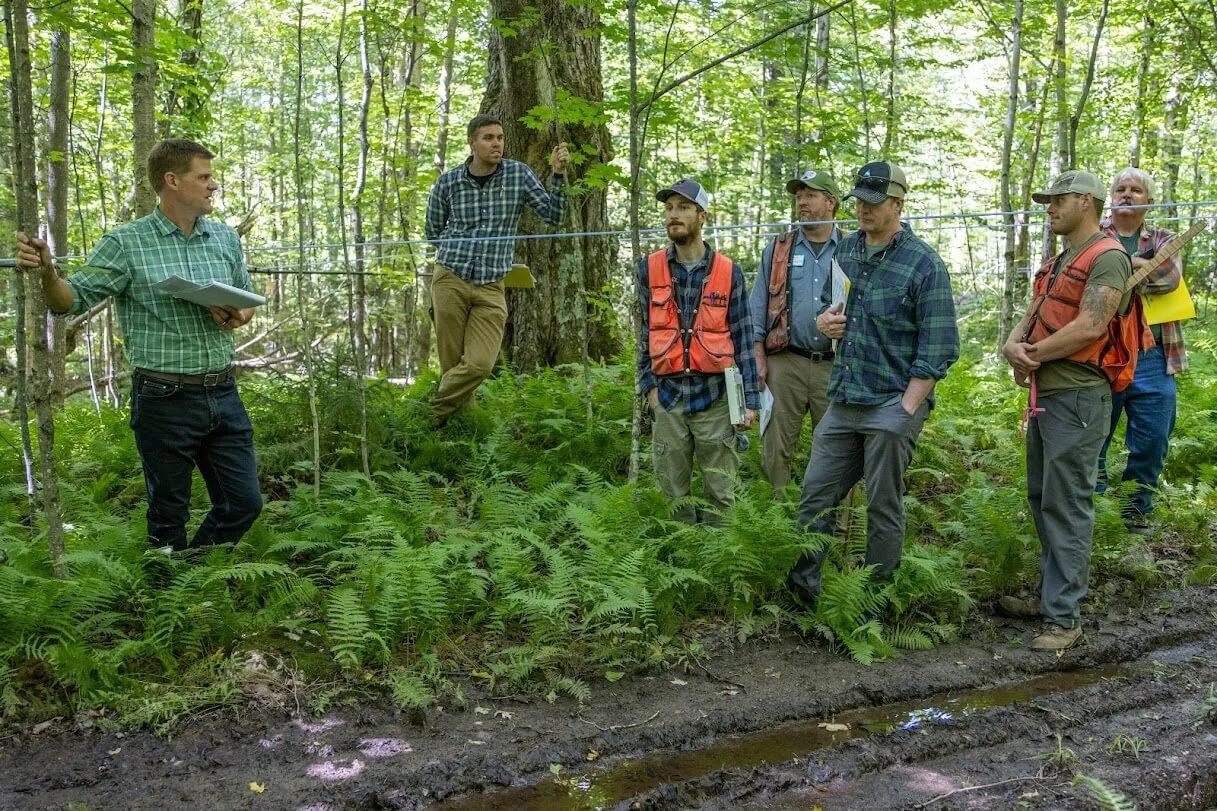

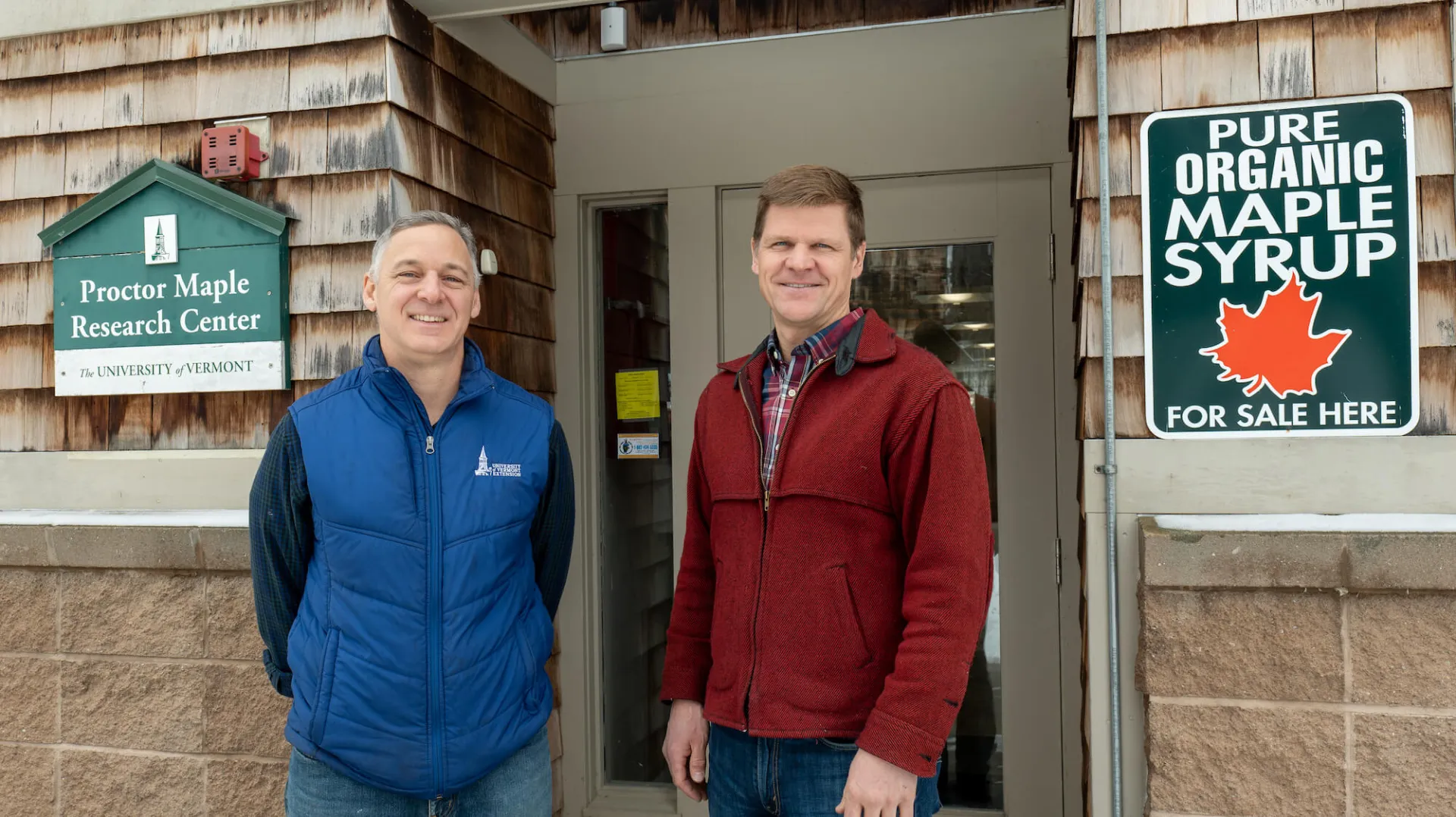
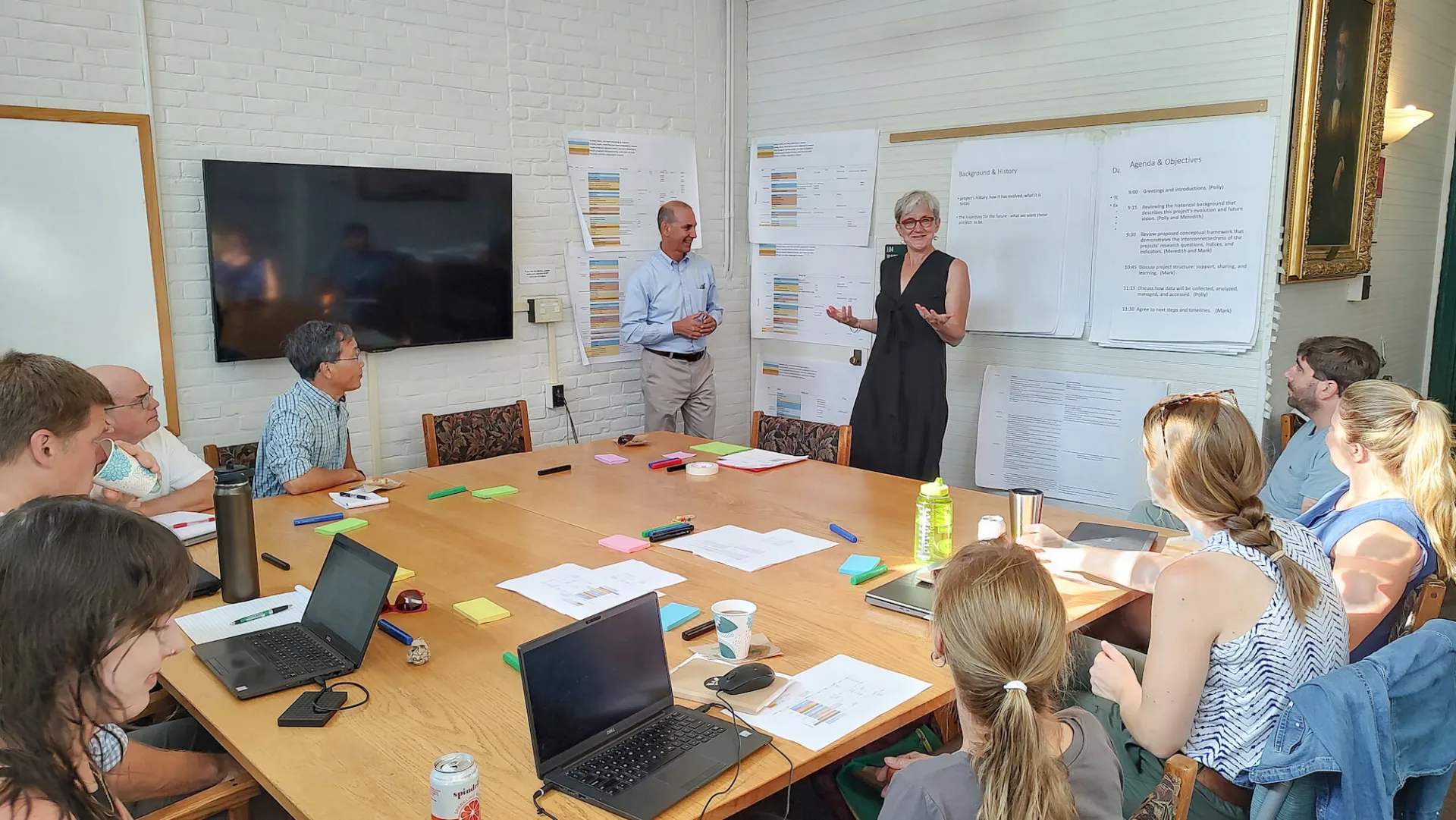
Phase 1 Projects
Maple Sustainability Indicators Initiative
"Maple syrup is an iconic product with a long cultural history in the northeastern United States. Increased consumer demand for sustainable food choices creates a great opportunity for maple products. Yet, many aspects of maple's social, environmental and economic impacts need better measurement for an accurate understanding of the impact of this rapidly growing sector," said principal investigator Mark Cannella, Extension Associate Professor and Farm Business Specialist.
This project seeks to develop a multi-dimensional framework for measuring maple food system sustainability, focusing on the interactions between maple producers, forests, markets, consumers, and communities. The U.S. maple syrup crop doubled from 2010-2020, and Vermont is the largest producer of maple in the United States. The establishment of measurements across multiple dimensions and working with community partners will be critical to maintaining a course of sustainable sector development.
PI: Mark Cannella
Co-PIs: Mark Isselhardt, Qingbin Wang, Zachary Smith, Anthony D'Amato
PostDoc: Emmanuel Owoicho Abah
Community Partners: Vermont Maple Sugar Makers' Association, Bascom Maple Farms, New York State Maple Producers' Association, Audubon Vermont
Plant-based Proteins as Part of Sustainable Food Systems in the Northeast
This project will carry out a transdisciplinary collaboration between university researchers and community partners to study and examine the extent to which VT and the Northeast (NE) region can produce plant-based protein foods, consumer perceptions of plant-based protein foods vis-a-vis meat and other animal protein foods in the NE, manufacturer and farmer perceptions of producing plant-based proteins as part of their agricultural enterprise, and environmental sustainability implications related to water quality and climate change for an increase in plant-based protein crop production.
PI: Anaka Aiyar
Co-PIs: Emily Belarmino, Heather Darby, Joshua Faulkner
PostDoc: Emma Tracy
Community Partners: Vermont Sustainable Jobs Fund, Innovative Management and Agriculture Consulting
Sustainability Metrics for Consumer-Facing Farms
Consumer-facing Agriculture (CFA), or farms that sell directly to consumers are an important part of Vermont's agricultural economy, working landscape, and culture. Understanding how economic, environmental, social, production, and human sustainability interact in this system is important as it grows in Vermont, the Northeast, and beyond. As this industry continues to grow, it's important to understand the sustainability dimensions and how they interact with other aspects of sustainability in our food system. "Our project combines a large team of researchers, including many from UVM Extension. We will measure sustainability on what we call Consumer Facing Agriculture farms, those who host agritourism activities and/or sell food to direct markets. Our emphasis will be to build on metrics the farmers find important and can be used to improve their management, marketing, and advocacy," said principal investigator and Professor of Community Development and Applied Economics David Conner.
PI: David Conner
Co-PIs: Lisa Chase, Maire Folan, Ike Leslie, Gillian Galford
PostDoc: Dr. Josh Taylor
Community Partners: VAAFM, Howling Wolf Farm, Vermont Sustainable Jobs Fund, NOFA-VT, Vermont Fresh Network
Social Values, Identity, and Sustainability Outcomes: Measure Social Processes in Agriculture
Measuring social sustainability is a challenge, yet an integral piece of understanding how to improve sustainability in agriculture and beyond, as it underlies the entirety of food systems' sustainability outcomes. This project seeks to develop a method for measuring farmer and stakeholder values and how those values drive farmer decision-making.
Joe Ament, Lecturer of Community Development and Applied Economics and principal investigator, said, "Our project focuses on measuring values, motivations, and identity of farmers to understand what drives decision-making on farms. We are particularly interested in how motivations around dimensions of sustainability affect a farmer's on-field sustainability performance."
The research team will develop a survey module that captures farmers' values and highlights how those values vary across scale and identity. This data will inform policy mechanisms and improve our food system. This research is well-position to support the UVM Food Systems Research Center in becoming a global leader in measuring the social side of the food system and how this dimension integrates and influences other pieces of sustainability in the food system.
PI: Joe Ament
Co-PIs: Daniel Tobin, Ike Leslie, Amy Trubek, Scott Merrill, Caitlin Morgan
Postdoc: Barituka Bekee
Community Partners: NOFA-VT, JG Research and Evaluation, Land for Good
Food Systems Sustainability Starts with Soil
Soils are foundational to the food system, and understanding soil sustainability is vital to our future. Not only are soils essential for producing food and sequestering carbon, they also act as important pieces of rural economies and support biodiversity. Farmers continually state soil should be a top priority for research and outreach. Our project seeks to untangle how soil health contributes to the five dimensions of sustainability and how the five dimensions constrain or enable soil health. Through key measurements focused on soil biology, chemistry, and physics, we can find answers to these questions and more.
PI: Gillian Galford
Co-PIs: Brendan Fisher, Deb Neher, Heather Darby, Eric von Wettberg, Courtney Hammond-Wagner
PostDoc: Cari Ritzenthaler
Community Partners: American Farmland Trust, VAAFM, Vermont Land Trust, Borderview Research Farm
If you have questions about the Sustainability Metrics project, contact Tessa Lawler (tessa.lawer@uvm.edu).